
January 09, 2026
Waste Management Regulations in India: What This Means for Industry Leaders
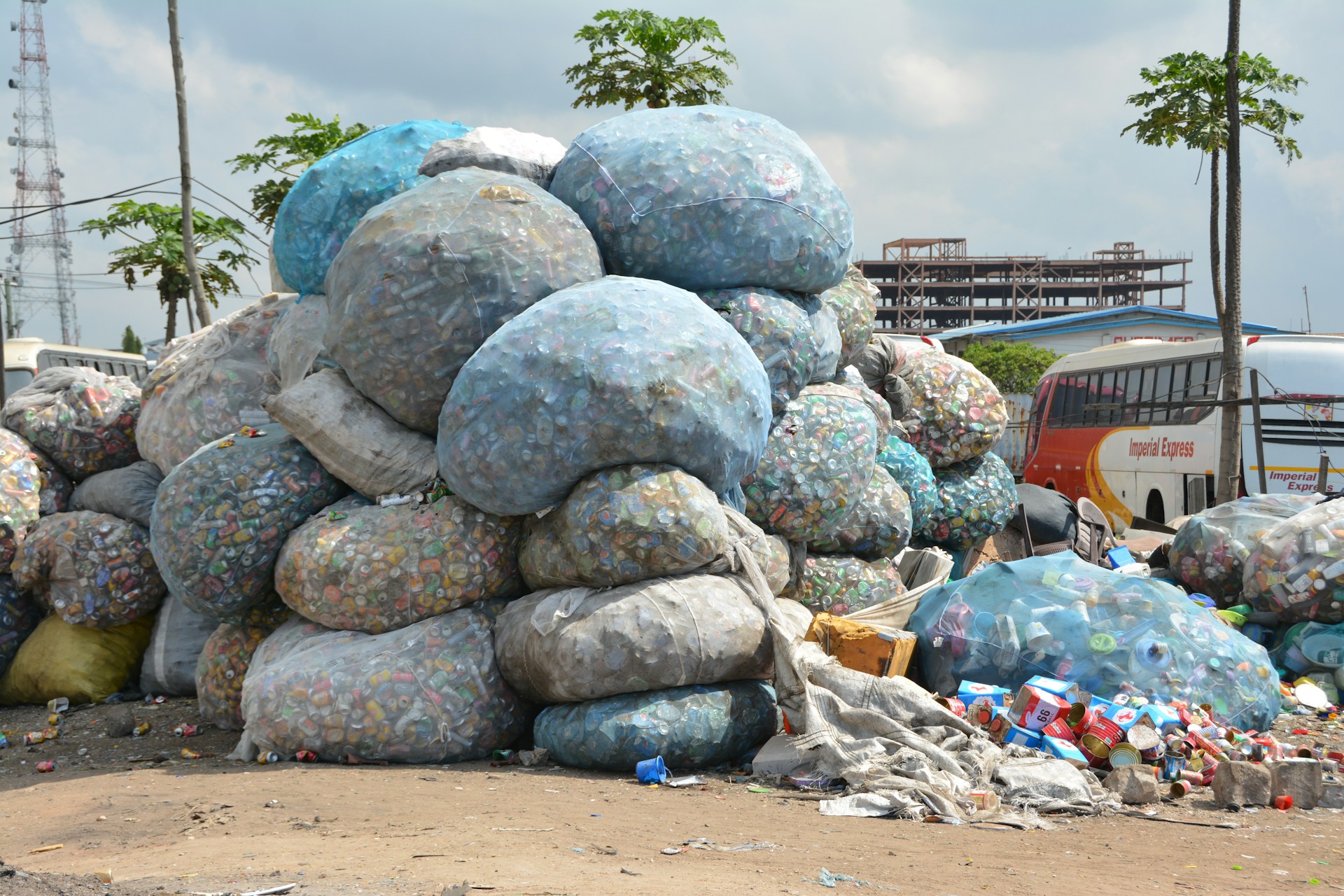
Waste management has become a critical challenge in India due to rapid urban growth and increasing consumption. To address this issue, regulatory authorities have strengthened waste management policies, particularly those related to plastic waste. These regulations are reshaping how businesses manage waste and encouraging more sustainable practices across industries. A central component of this framework is Extended Producer Responsibility (EPR), which places responsibility on producers for managing waste generated by their products.
Evolution of Waste Management Policies
India’s waste management regulations have evolved to address rising plastic pollution. The Plastic Waste Management framework established clear guidelines for handling plastic waste and has since been reinforced through amendments that promote accountability and sustainability. These changes aim to create a comprehensive system where producers are responsible for the entire lifecycle of plastic products.
Key Regulatory Focus Areas
Recent policy updates emphasize:
Expanded Producer Responsibility: Manufacturers, importers, and brand owners are accountable for plastic waste generated by their products.
Mandatory EPR Compliance: Businesses must ensure proper collection, recycling, or disposal of both pre-consumer and post-consumer plastic waste.
Stronger Material Standards: Improved quality standards for plastic products help reduce waste and environmental impact.
Encouragement of Sustainable Alternatives: Greater focus on biodegradable and compostable materials supports eco-friendly innovation.
Enhanced Enforcement: Regulatory bodies are empowered to ensure compliance and penalize violations.
Understanding Extended Producer Responsibility (EPR)
EPR is a policy approach that requires producers to manage the environmental impact of their products after use. This includes designing products that generate less waste, promoting segregation at the source, and establishing efficient waste collection and recycling systems.
Implications for Industry Leaders
Increased Accountability
Businesses must take greater responsibility for waste management by investing in compliant systems and working closely with authorized recyclers.
Innovation Opportunities
The regulations encourage companies to redesign products and packaging using sustainable materials, creating competitive advantages and strengthening brand value.
Collaboration Across the Value Chain
Effective waste management requires cooperation between producers, recyclers, regulators, and consumers.
Challenges and Considerations
While these regulations create opportunities for sustainable growth, compliance may involve operational and financial challenges, particularly for smaller enterprises. Strategic planning is essential to balance sustainability goals with business viability.
The Way Forward
By embracing EPR and circular economy principles, industry leaders can reduce environmental impact, improve resource efficiency, and respond to growing consumer demand for sustainable products. Businesses that proactively adapt to these regulatory expectations will be better positioned for long-term success.